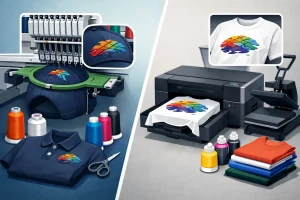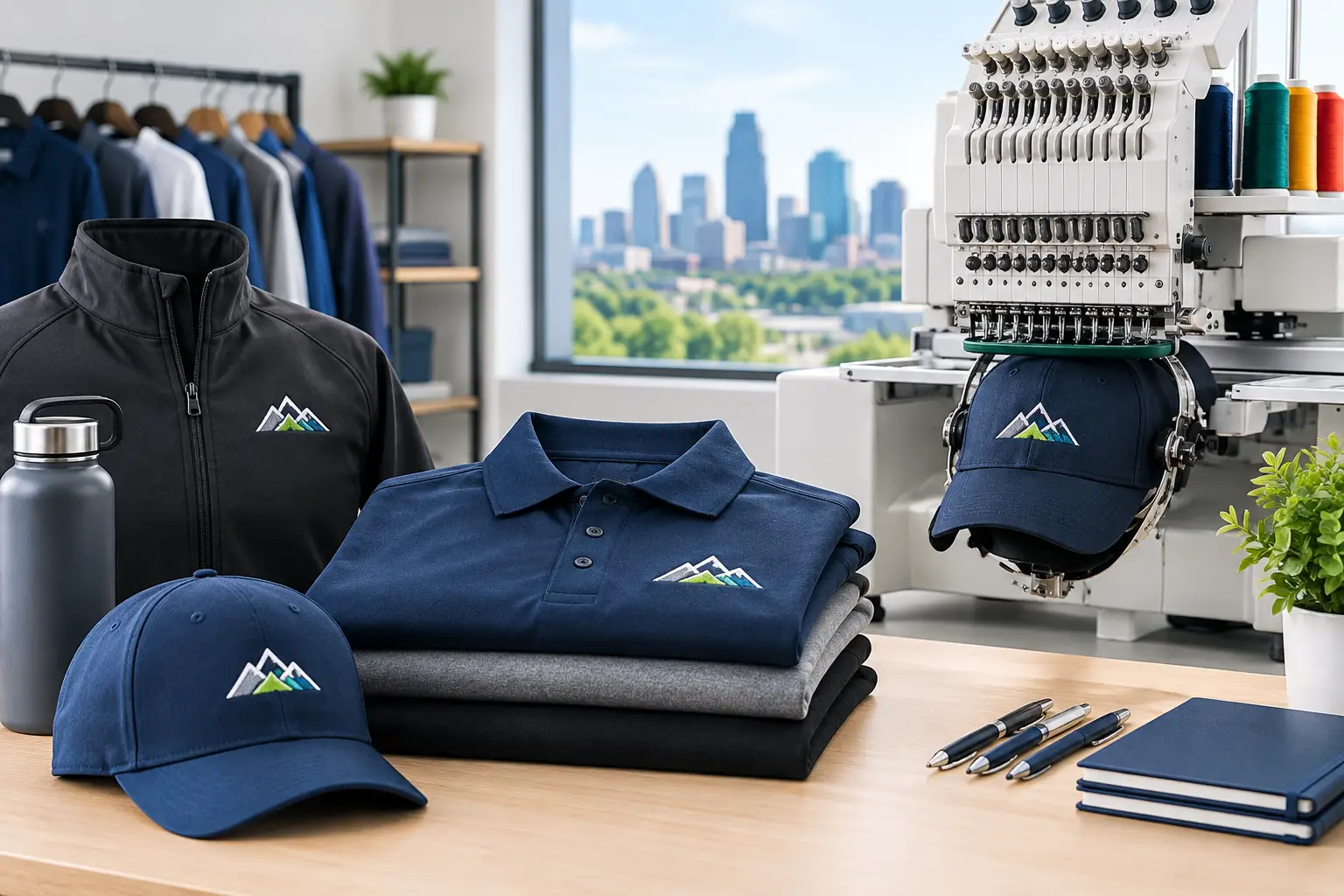
A stitched logo has a job to do long after an event ends or a new employee starts. It needs to look sharp in the office, hold up through repeated washing, and represent the organization consistently wherever people see it. That is why Overland Park custom embroidery is a practical choice for companies, schools, teams, nonprofits, and municipal departments that need apparel to work as a visible part of their brand.
Embroidery adds texture, permanence, and a more finished appearance than many apparel decoration methods. It is especially effective for polos, jackets, hats, work shirts, bags, and outerwear. But good results depend on more than putting a logo on a garment. The right garment, thread treatment, logo setup, and placement all matter.
Need Custom Printing or Promotional Products?
Zepher Printing helps Kansas City businesses, schools, teams, and organizations with custom apparel, screen printing, embroidery, promotional products, and branded merchandise.
Request a QuoteWhen custom embroidery is the right fit
Embroidery is often the best choice when apparel needs to feel polished and durable. A property management company may outfit its maintenance staff in embroidered work shirts and quarter-zips. A Johnson County accounting firm may choose embroidered polos for client-facing employees. A school booster club may use embroidered caps and jackets for staff, volunteers, or a smaller spirit-wear collection.
Unlike a large, colorful graphic intended to cover most of a T-shirt, embroidery excels at smaller marks with a clear purpose. Think left-chest logos, names on uniforms, a team emblem on a cap, or a department identifier on a jacket sleeve. The stitching becomes part of the garment, which helps the apparel feel intentional rather than temporary.
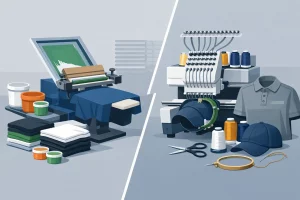
That said, embroidery is not the answer for every design. Large artwork, photographic imagery, fine gradients, and very small type can lose clarity when converted to thread. For a big event shirt with sponsors and detailed graphics, screen printing may be the better solution. Organizations often get stronger results by using embroidery for professional uniforms and outerwear, while using screen printing for high-volume event apparel and bold graphic designs.
Choosing garments for Overland Park custom embroidery
The garment determines much of the finished look. A well-digitized logo can still look uneven if it is stitched onto a thin, stretchy, or unstable fabric without the right backing and technique. Before selecting apparel, consider who will wear it, where they will wear it, and how often it will be washed.
Polos and button-downs for everyday teams
Polos remain a dependable choice for sales teams, front-desk staff, golf events, and organizations that want a consistent business-casual appearance. Performance polos are useful for employees who work outdoors, move between job sites, or spend long days at community events. Cotton-blend options tend to offer a more traditional feel, while performance fabrics are lighter and manage moisture better.
Button-down shirts and woven workwear can create a more formal uniform program, particularly for hospitality, financial services, real estate, and administrative teams. A smaller left-chest logo usually looks best on these garments. Oversized stitching can make an otherwise professional shirt feel crowded.
Jackets, vests, and outerwear for Kansas City weather
Outerwear is one of the most valuable embroidery applications because it is seen frequently and kept for years. Fleece jackets, soft shells, insulated vests, and work jackets can support employee recognition, recruiting, and brand visibility well beyond the workday.
For organizations across the Kansas City metro, layering matters. Teams often need apparel that works in a cool morning, a windy afternoon, and a heated indoor space. A coordinated program might include embroidered polos for daily wear and embroidered outerwear for field staff, supervisors, and customer-facing team members.
Hats, bags, and durable accessories
Caps are highly visible, but they require special attention. Structured caps, unstructured caps, mesh-back styles, and knit beanies all stitch differently. A design that looks excellent on a flat polo may need adjustment for a curved cap front. Bags, backpacks, and duffels also make useful recognition gifts and event items, though seam placement and fabric thickness should be reviewed before production.
Keep the design clear at thread scale
Embroidery begins with digitizing, the process of translating artwork into a stitch file. This is not simply converting a logo from one file type to another. The digitizer determines stitch direction, density, underlay, sequence, and compensation for the way thread pulls on fabric. Those decisions affect the shape, detail, and durability of the finished logo.
The cleanest embroidered logos usually have bold lines, limited tiny details, and readable type. If a logo contains a tagline in very small lettering, it may need to be removed or enlarged for apparel. If it includes delicate outlines, those elements may need to be strengthened. A good embroidery partner will flag these issues before production rather than hoping they disappear once the garment is on the machine.
Color also deserves a practical conversation. Thread is available in a wide range of shades, but stitched thread reflects light differently than ink on paper or pixels on a screen. Exact color matching may be possible in many cases, but the garment color, thread sheen, and viewing distance affect the final impression. For a cohesive brand program, use approved logo colors and keep the same embroidery treatment across departments and reorder cycles.
Placement should match how the garment is used
Left chest is the most common placement because it is visible, balanced, and appropriate across polos, button-downs, jackets, and fleece. It is a strong default, not a rule. A sleeve logo can add a subtle professional detail. A back-yoke mark may work well on outerwear. Caps typically use the front center panel, while a side or back detail can support a secondary logo or team name.
Placement should account for pockets, zippers, seams, and garment construction. A left-chest design on a jacket with a vertical zipper may need to move slightly to avoid distortion. On a work shirt with a chest pocket, the logo may sit above the pocket or on the opposite side. These small adjustments protect readability and keep the garment comfortable to wear.
Names and titles require the same care. Employee names can be useful for service teams, coaches, and event staff, but they add complexity when turnover or reorders are frequent. Consider whether a role-based identifier, such as “Facilities,” “Coach,” or “Volunteer,” provides more flexibility than individual names.
Plan the program, not just the first order
The most effective apparel programs make reordering easy. Before placing an initial embroidery order, establish a few basics: the approved logo version, thread colors, placement, garment styles, and who can authorize future orders. This helps prevent a familiar problem: different departments ordering similar shirts that do not quite match.
For growing businesses, create a core uniform assortment with a few dependable options. For example, employees may choose from a polo, quarter-zip, and jacket in approved colors. Schools and athletic programs can separate staff apparel from fan spirit wear while maintaining consistent logo use. Nonprofits can use a standard embroidered volunteer polo for recurring events, then add screen-printed shirts when a large fundraiser requires an event-specific message.
Sizing is another planning point that is easy to overlook. Collecting sizes before production is essential, especially for jackets and fitted apparel that may have different cuts. If the order supports a new location, onboarding initiative, or annual tournament, build in a small buffer for late additions when timing and budget allow.
Review a sample before a larger rollout
For a first-time logo, new garment style, or significant organization-wide order, reviewing a sample is one of the best ways to reduce surprises. A proof can confirm layout and thread colors, but a sewn sample reveals how the actual design behaves on the selected fabric.
Look at the sample from normal viewing distance, not only up close. Check whether small lettering reads clearly, whether the logo lies flat, and whether the scale feels appropriate. Wash testing can be worthwhile for uniforms and workwear that will see heavy use. It is easier to refine a design before producing apparel for an entire department, school staff, or volunteer team.
With more than two decades serving local organizations, Zepher Printing has seen that the best embroidered apparel programs are the ones built around real use. They consider the person wearing the garment, the conditions it will face, and the message the organization needs to carry. Start with a clear logo, choose apparel your team will actually want to wear, and give the details enough attention to make every stitch count.