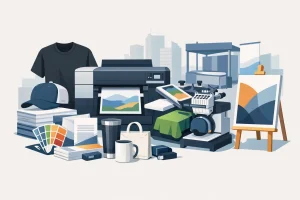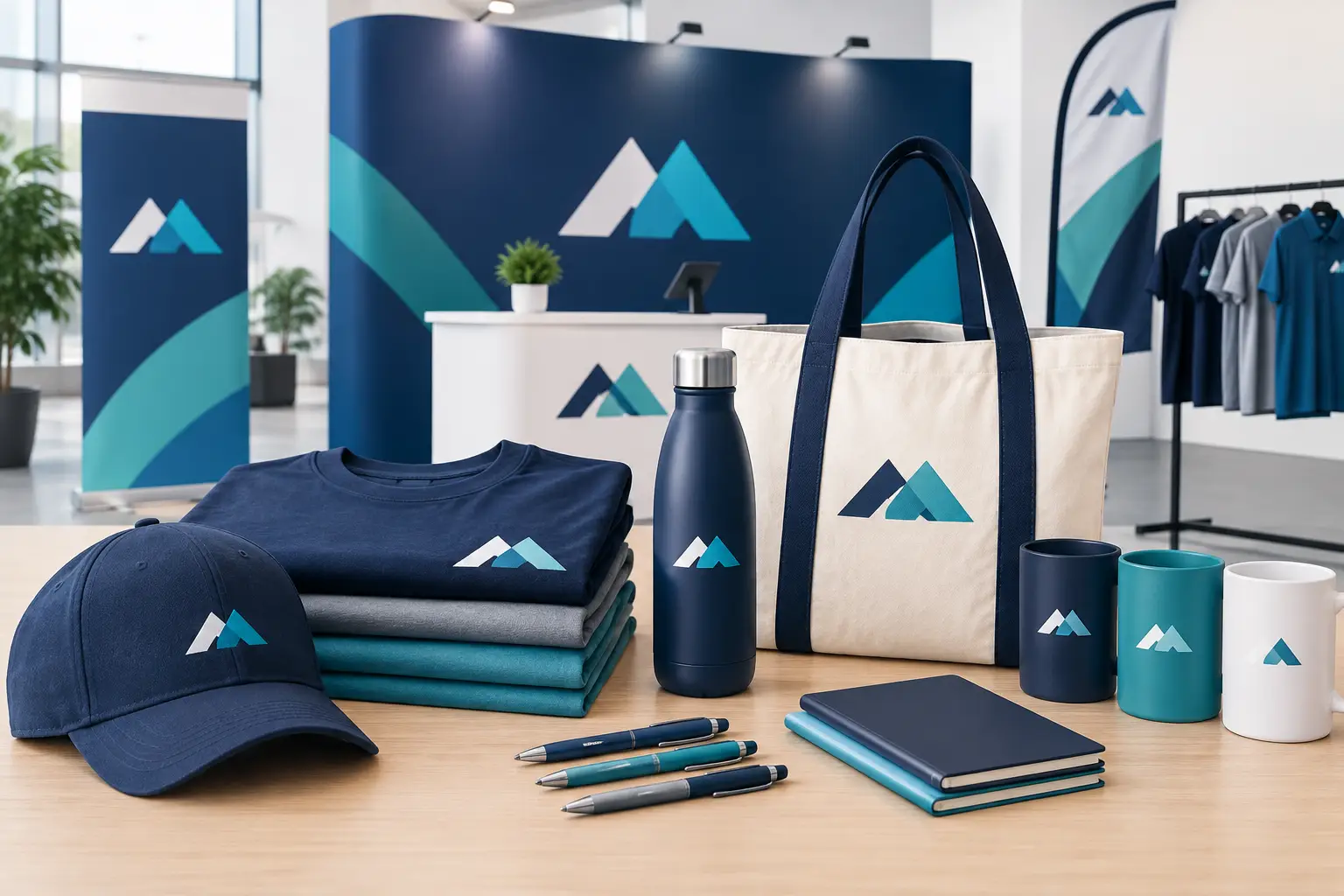
A crowded registration table, a volunteer in an unbranded shirt, and directional signs that do not match can make even a well-planned event feel disjointed. This guide to event branding packages helps organizations bring the visible details together, from the first invitation to the item attendees take home. The goal is not to put a logo on everything. It is to make every guest interaction feel intentional, recognizable, and easy to navigate.
For Kansas City businesses, schools, nonprofits, athletic programs, and community groups, a package approach also makes ordering simpler. Instead of coordinating apparel, signs, print pieces, and giveaways from multiple sources, planners can build a coordinated set of materials around the event’s purpose, audience, and timeline.
Need Custom Printing or Promotional Products?
Zepher Printing helps Kansas City businesses, schools, teams, and organizations with custom apparel, screen printing, embroidery, promotional products, and branded merchandise.
Request a QuoteWhat an Event Branding Package Should Accomplish
An event branding package is a planned collection of printed, wearable, displayed, and promotional items that work together. It may be modest for a school fundraiser or more extensive for a conference, grand opening, tournament, or municipal program. What matters is that each item has a job.
A strong package should help people find the event, understand where to go once they arrive, recognize staff and volunteers, and remember the organization afterward. It should also support the practical work behind the scenes. Check-in materials need to be clear. Staff apparel needs to be visible and appropriate for the weather. Signs need to be readable from the distance where guests will actually see them.
Consistency does more than improve appearance. When the same colors, logo treatment, type style, and message appear across materials, attendees spend less effort figuring out who is hosting and where they should go. That is especially valuable at multi-location events, busy athletic facilities, trade shows, and public gatherings.
Guide to Event Branding Packages: Start With the Guest Journey
The most useful way to build a package is to follow the attendee’s experience from before the event through departure. This prevents a common problem: ordering attractive products that do not solve an actual event need.
Before the event, consider what creates awareness and drives registration. Depending on the event, that may include printed invitations, postcards, posters, yard signs, sponsor materials, or branded apparel for a promotional team. A recruiting event may need polished handouts and employee shirts. A charity walk may need participant shirts and sponsor recognition materials. A school spirit event may need pre-sale flyers, team apparel, and signs for the venue.
At arrival, guests need confidence that they are in the right place. Exterior banners, feather flags, parking signs, window graphics, table covers, and welcome signage are often the highest-impact pieces. For an Overland Park open house or Johnson County nonprofit gala, a clear welcome display can set the tone before anyone reaches the registration table.
During the event, the focus shifts to movement and participation. Directional signs, name badges, branded tents, staff shirts, presentation materials, table signage, and giveaway items all serve different purposes. The right mix depends on the venue. A hotel ballroom may need elegant table cards and backdrop signage, while an outdoor tournament may need durable banners, team tents, and moisture-friendly handouts.
Afterward, the best packages extend the event’s memory. Useful promotional products, quality apparel, thank-you cards, follow-up print pieces, and sponsor gifts can keep the organization visible long after the tables are packed away.
Build Around Priorities, Not a Product Catalog
With thousands of apparel and promotional product options available, it is easy to start with the product rather than the need. A better approach is to identify the two or three outcomes that matter most.
If attendance is the priority, invest first in awareness materials and a visible arrival experience. If sponsor value is the priority, make sure sponsor recognition appears in the right places, such as banners, programs, shirts, and select take-home items. If employee engagement is the goal, branded apparel and useful gifts may matter more than a large amount of printed collateral.
A practical event package often includes four layers: visibility, navigation, team identification, and a takeaway. Visibility can include banners or flags. Navigation includes directional and informational signs. Team identification may be staff polos, event T-shirts, badges, or lanyards. A takeaway could be a useful branded item, a printed program, or a participant shirt.
Not every event needs all four layers at the same scale. A small business open house may need a retractable banner, table cover, staff shirts, and branded pens. A large school tournament may require field signage, team apparel, volunteer shirts, concession signs, sponsor banners, and spirit wear. The package should fit the event, not force unnecessary items into the budget.
Choose Products for Their Real-World Use
The best product on paper is not always the best product at an event. Consider where it will be used, how long it needs to last, and what attendees are likely to do with it afterward.
Apparel is a good example. Event T-shirts work well for races, camps, volunteer teams, and school activities because they create an immediate sense of belonging. Polos or performance shirts may be a better choice for a corporate event, golf outing, or staff-led conference. Embroidered outerwear can make sense for recurring outdoor events, but it may not be the right fit for a one-day summer gathering.
Giveaways should earn their place in the package. A low-cost item can be effective when it is easy to distribute to a large audience, such as pens, stadium cups, tote bags, or hand fans. For a smaller group of donors, speakers, clients, or sponsors, a more considered gift may make a stronger impression. Usefulness usually beats novelty. A product that ends up in a desk drawer, car, gym bag, or kitchen keeps working for the brand.
Signage requires similar judgment. Indoor signs can prioritize polished presentation, while outdoor signage must handle wind, sun, and distance. Fine print that looks good on a computer screen will not help drivers entering a busy parking lot. Ask where people will stand, walk, or drive when they see the sign, then design for that viewing distance.
Keep the Design System Simple and Consistent
Event branding does not require a new logo or a complicated visual identity. In many cases, a clear event name, a limited color palette, a readable font, and a consistent logo placement are enough.
Start with the organization’s established brand standards, then add an event-specific element if needed. For example, an annual fundraiser might use the nonprofit’s primary logo alongside the event name and year. A company kickoff could use the corporate logo with a focused theme statement. The key is to avoid treating every item as a separate design project.
Be selective with messages. A banner may need only the event name, date, and logo. A program can carry schedules, sponsor information, and detailed content. A staff shirt should be recognizable from across the room, which usually means a bold logo or simple role identification rather than several lines of text.
Proofing matters here. Confirm spelling, dates, sponsor names, contact details, logo versions, and color expectations before production begins. A small error repeated across shirts, signs, and printed materials becomes much more expensive to correct after the event.
Plan the Timeline Backward From Event Day
Event branding frequently becomes urgent because planners focus on programming first and visual materials last. Some items have different production timelines, and custom apparel, embroidery, specialty promotional products, and larger sign orders may require more lead time than a basic reprint.
Work backward from the day materials must be in hand, not the day they will be distributed. Allow time for design review, approvals, production, delivery, sorting, and any last-minute changes. If shirts need individual sizes or sponsor logos, collect that information early. If a banner depends on a final schedule, identify a firm deadline for the content.
For recurring events, keep approved artwork and a record of the items that worked well. That makes next year’s order faster and helps avoid starting from scratch. Zepher Printing has seen that a simple event checklist and a trusted local production partner can reduce a great deal of deadline pressure.
Use a Budget That Protects the Essentials
A limited budget does not mean an event has to look limited. It means choosing the items that have the greatest effect on the attendee experience. Start with the essentials: clear welcome and directional signage, identifiable staff or volunteers, and one memorable branded touchpoint.
Then decide where an upgrade will matter. Better-quality participant shirts may be worth the investment for a signature annual event. A more substantial table cover or backdrop may be worthwhile if it will be reused at multiple events. On the other hand, highly customized items with a short lifespan may not be the best use of funds.
Quantities deserve careful attention. Ordering too few shirts, bags, or giveaways can create an awkward experience for late arrivals. Ordering far too many can tie up money in storage. Estimate attendance realistically, account for staff and volunteers, and consider whether leftover items can be used at future events or as ongoing promotional materials.
Make One Team Accountable for the Details
The strongest event packages come together when one person or small group owns the visual plan. That team does not need to design every item, but it should approve artwork, coordinate quantities, and make sure signs, apparel, print, and giveaways tell the same story.
Share the event goals, venue details, audience, estimated attendance, and deadline with your print and branding partner early. Those details lead to better recommendations than simply asking for a price on a product. They help identify whether you need a durable outdoor banner, shirts suited for active volunteers, a giveaway that fits a donor audience, or a package that can be repeated across multiple Kansas City metro locations.
Start with the moments attendees will notice first: the welcome, the people guiding them, and the item they carry home. When those moments feel organized and unmistakably yours, the rest of the event has a stronger foundation.