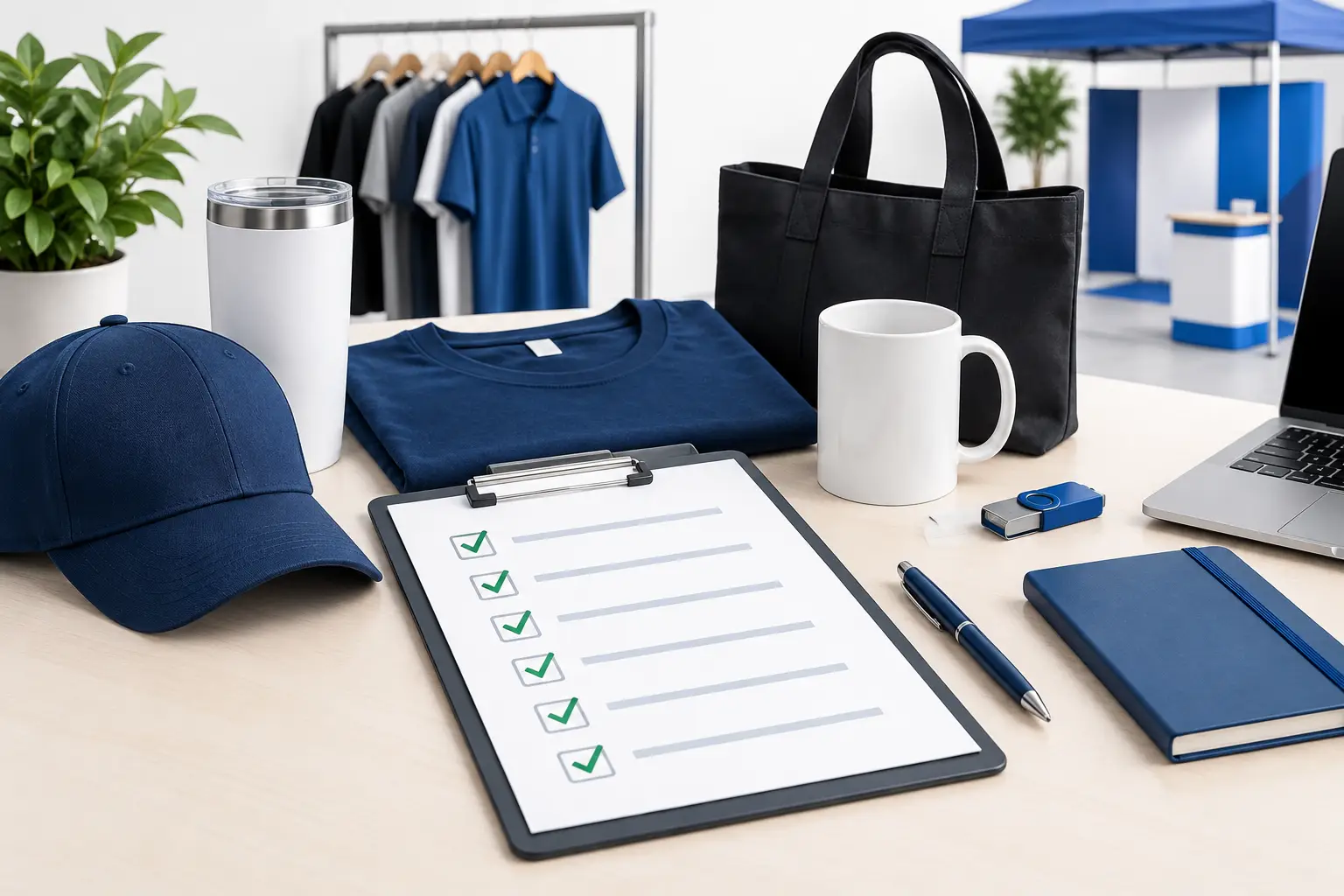
A branded tumbler that leaks, event giveaway that arrives late, or employee shirt that fits poorly can turn a well-intended order into a costly distraction. A promotional products company review checklist gives your team a practical way to compare suppliers before artwork is approved and deadlines get tight. The goal is not simply to find the lowest unit cost. It is to find a partner that can protect your brand, communicate clearly, and deliver products people will actually want to use.
For businesses, schools, nonprofits, municipalities, and athletic programs, promotional products often serve a specific purpose: welcoming new employees, recognizing volunteers, filling a trade show booth, building school spirit, or thanking customers. The right supplier should understand that purpose before recommending an item.
Need Custom Printing or Promotional Products?
Zepher Printing helps Kansas City businesses, schools, teams, and organizations with custom apparel, screen printing, embroidery, promotional products, and branded merchandise.
Request a QuoteStart With the Purpose of the Order
Before evaluating a promotional products company, define what success looks like for the project. A recruiting kit has different requirements than a 5K giveaway. A premium client gift needs a stronger impression than handouts for a large community event, while staff uniforms require consistency and reliable reordering.
Share the audience, quantity, budget range, event date, and intended use. A capable partner will use that information to narrow a catalog of hundreds of thousands of choices into a few sensible recommendations. If every suggestion is based only on what is inexpensive or currently popular, the product may not fit your audience or brand.
Consider the full life of the item as well. Will a recipient keep it on a desk, wear it around town, or use it once and discard it? Products with daily usefulness often create more meaningful brand visibility than novelty items, even when the initial cost is a little higher.
Promotional Products Company Review Checklist
Use the following areas to assess a supplier before committing to a larger order. Not every factor carries equal weight. A school ordering spirit wear may prioritize sizing and reorder access, while a Johnson County business planning a trade show may place greater weight on proof approval and delivery timing.
1. Product quality and decoration quality
Ask for a clear description of the item itself, including material, size, color options, care requirements, and any known limitations. Product photography can make nearly anything look premium, so request samples when the item will represent a key campaign, customer gift, or employee program.
Then evaluate the decoration method. Screen printing, embroidery, laser engraving, and full-color digital decoration each produce a different look and hold up differently over time. The right method depends on the artwork, product material, number of colors, and intended use. A reliable company should explain the recommendation in plain language rather than assuming all imprints are interchangeable.
2. Artwork guidance and proofing process
Your logo should look intentional at the size and placement selected. Small text can become unreadable, fine lines may fill in, and a design that works on a flat brochure may need adjustment for a curved drinkware item or textured fabric.
Confirm who checks artwork, what the proof will show, and when you can request changes. A proof should make the product, imprint location, ink or thread colors, and approximate imprint size easy to understand. It also helps to know whether the supplier will flag concerns before production begins. That extra review can prevent rushed reprints and disappointing results.
3. Relevant product selection
More choices are not automatically better. A supplier with a deep promotional product catalog should also have the experience to guide you toward options that meet your objective. For example, a nonprofit recognition event may benefit from useful, presentation-ready gifts, while a youth athletic program may need durable bags, bottles, or apparel that can handle regular use.
Ask whether comparable options are available at different price points. This is especially valuable when a preferred item has limited inventory or a longer lead time. A company that can offer thoughtful alternatives helps you move forward without sacrificing the entire project.
4. Timeline, inventory, and delivery communication
A stated turnaround time is only useful if it accounts for artwork approval, product availability, decoration, shipping, and delivery. Ask what date the supplier needs final approval to meet your in-hands deadline, not just when production starts.
Inventory is another practical concern. Popular colors and high-demand products can change quickly, particularly during graduation season, back-to-school planning, holiday gifting, and major event periods. Your contact should verify availability before making a firm recommendation. For Kansas City-area organizations with a fixed event date, local coordination can also simplify pickup, delivery planning, and last-minute communication when appropriate.
5. Pricing clarity, not just a low quote
Compare quotes based on the complete project. The most useful quote identifies the product, quantity, decoration details, setup or artwork charges when applicable, shipping or delivery costs, and estimated tax. It should also clarify whether a price is based on a particular color, imprint location, or production schedule.
Low pricing can be a good fit for a high-volume giveaway, but it should not obscure trade-offs in item quality, decoration durability, lead time, or service. A strong supplier will help you decide where to spend and where to save. Sometimes moving from one imprint color to two adds impact. Other times, choosing a more useful product creates a better result than increasing decoration complexity.
6. Communication and accountability
Promotional orders often involve several people: a marketing manager, office administrator, purchasing contact, event planner, or school booster representative. Look for a company that provides a clear point of contact and responds with direct answers. You should not have to chase updates on a deadline-driven order.
Pay attention to the questions they ask early in the process. Questions about your deadline, audience, logo files, distribution plan, and budget usually signal an effort to get the order right. Clear communication is particularly valuable when an order includes apparel, printed materials, signage, and promotional giveaways that need to arrive together.
7. Ability to support more than one need
A promotional product order rarely exists in isolation. A new-hire campaign may also need branded apparel, welcome cards, folders, or presentation materials. A fundraiser may need event signage, sponsor banners, volunteer shirts, and giveaway items.
Working with one experienced branding partner can reduce duplicate artwork requests, mismatched logo colors, and multiple delivery schedules. It is not always necessary to consolidate every purchase, but it is worth asking whether the supplier can coordinate related pieces of a campaign. For many organizations, that convenience saves more time than a small difference in unit price.
8. Reorder support and long-term consistency
Ask what happens after the first order. Can the supplier retain approved artwork, decoration specifications, and item details for easy reorders? Can they recommend a replacement if an item is discontinued? This matters for uniforms, spirit wear, employee recognition programs, annual events, and recurring customer gifts.
Consistency is part of brand trust. When staff apparel, signage, print pieces, and promotional merchandise share accurate colors and logo usage, your organization looks organized and established. A dependable partner treats each order as part of that larger brand experience.
Put the Checklist Into a Simple Decision Process
For a significant order, compare two or three written proposals using the same project details. Review product quality, total cost, delivery confidence, proofing, communication, and relevant experience. If several stakeholders are involved, decide in advance which factors matter most so the decision does not become a debate over a single per-item price.
It also helps to start with a smaller test order when you are trying a new product category or planning a program that will repeat. Samples and pilot quantities provide useful information about fit, usability, logo visibility, and recipient reaction. That learning can make the larger rollout much easier to manage.
After more than two decades of helping Kansas City organizations with branded merchandise, apparel, print, and signage, Zepher Printing has seen that the smoothest projects begin with candid questions and a realistic plan. Choose a promotional products company that listens closely, sets clear expectations, and helps your brand show up well long after the event is over.