A uniform can look sharp on delivery day and still be the wrong choice for the job. If shirts shrink after a few washes, embroidery puckers, colors fade, or seams fail under daily use, the cost shows up quickly in replacements, employee frustration, and a less professional appearance. Workwear quality is not just about choosing a recognizable apparel brand. It is about matching the garment, decoration method, and expected use to the people who will wear it.
For Kansas City organizations managing field crews, restaurant teams, school staff, municipal departments, warehouse employees, or event volunteers, the best workwear is practical first. It should let people do their jobs comfortably, reflect the organization well, and continue looking intentional over time.
Need Custom Printing or Promotional Products?
Zepher Printing helps Kansas City businesses, schools, teams, and organizations with custom apparel, screen printing, embroidery, promotional products, and branded merchandise.
Request a QuoteWhat Workwear Quality Really Means
Quality is often mistaken for fabric weight alone. A heavier shirt may feel substantial, but it is not automatically better for a landscaping crew in July or a busy indoor team moving between tasks. Likewise, a lightweight performance polo can be an excellent choice, but only if its construction and decoration are suited to repeat wear and laundering.
Good workwear quality comes from several factors working together: appropriate fabric, dependable construction, consistent sizing, color retention, functional details, and decoration that stays in place. The right balance depends on the environment.
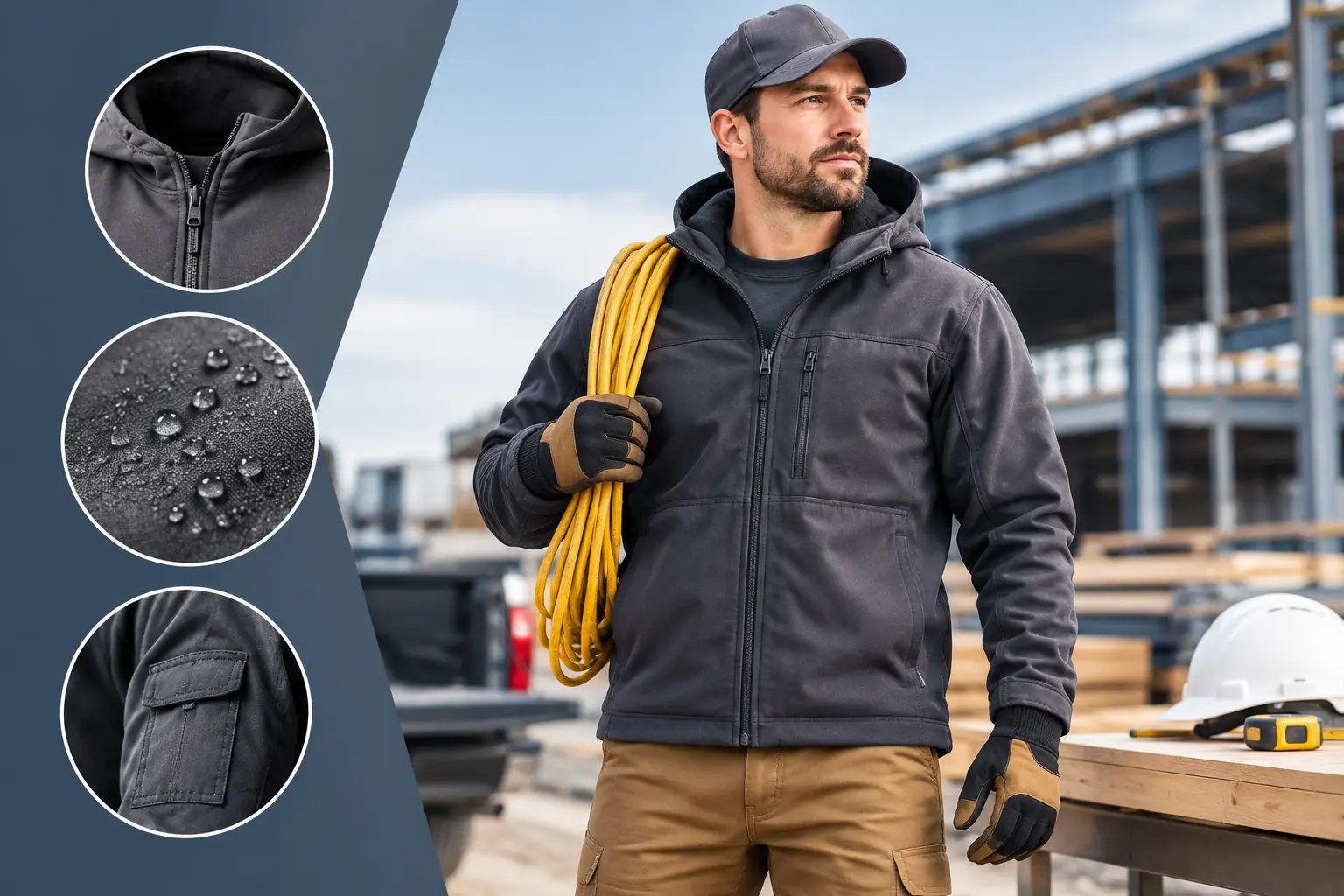
A construction or facilities team may need durable outerwear, reinforced work pants, and garments that layer well in changing weather. A front-office or hospitality team may prioritize polished collars, wrinkle resistance, and a comfortable fit for long shifts. Coaches and school staff often need versatile pieces that work from a morning practice to an afternoon meeting. One apparel program does not need to solve every need with a single garment.
Start With the Job, Not the Catalog
Before selecting apparel, consider what an employee actually does throughout the day. This prevents a common ordering mistake: selecting a shirt because it looks good in a product photo without considering heat, movement, cleaning requirements, or the work setting.
Ask whether employees work indoors, outdoors, or both. Consider how much they bend, lift, walk, drive, or interact with customers. Think about whether clothing may encounter dirt, grease, cleaning products, food, or frequent industrial laundering. Then consider how long a typical shift lasts and whether employees will layer garments over or under the item.
For example, a Johnson County service company with technicians moving in and out of customer homes may benefit from moisture-wicking polos paired with durable quarter-zips for cooler days. A volunteer team supporting a weekend community event may be better served by a comfortable, budget-conscious cotton blend tee that holds a clear screen-printed design. Both can be quality choices because each fits its purpose.
Fabric Choices Affect Comfort and Longevity
Fabric is where comfort, appearance, and durability begin. Cotton is breathable and familiar, making it a strong option for many casual uniforms, volunteer shirts, and spirit wear programs. However, 100% cotton may shrink and can hold moisture longer than synthetic options.
Cotton-polyester blends offer a useful middle ground. They often resist shrinking better than all-cotton garments, retain color well, and provide a comfortable feel for everyday wear. For many office, retail, and service teams, a blend delivers the balance employees appreciate.
Performance fabrics are especially useful for active jobs, outdoor work, athletic programs, and warm environments. Their moisture-management properties can improve comfort, but they require the right decoration approach. Some thin performance fabrics can show puckering around dense embroidery, while high heat can affect certain materials during printing. An experienced apparel partner should flag those issues before production, not after the order arrives.
Fabric weight also deserves attention. Heavier garments generally offer more coverage and can withstand demanding use, but they may be too warm for some roles. Lighter fabrics are easier to wear in heat and are often preferred by active teams, yet they may need more thoughtful care and may not have the same structured appearance. There is no universal best option. The right choice reflects the job and the wearer.
Construction Details Separate Short-Term From Long-Term
The small details are often what employees notice after a month of wear. Look at seams, collars, cuffs, buttons, zippers, pocket placement, and reinforcement in high-stress areas. A well-made garment should maintain its shape through regular washing and active use.
For polos and button-downs, collar structure matters. A collar that curls or loses its shape can make an otherwise clean uniform look worn out. For jackets and outerwear, check zipper quality, lining, pocket use, and whether the garment allows enough range of motion. For T-shirts, pay attention to the neckband, side seams, and whether the shirt is likely to twist or lose its fit after laundering.
Sizing consistency is another practical measure of quality. When a team order includes several sizes, people need to feel confident that a medium or large will fit as expected across reorders. This is particularly important for organizations that onboard employees throughout the year rather than ordering apparel once per season.
Decoration Must Match the Garment
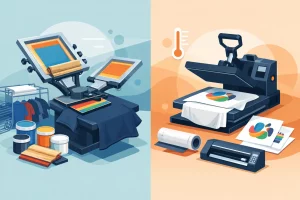
A high-quality garment can be undermined by the wrong decoration method. Screen printing, embroidery, and other apparel decoration options each have a place, and the best choice depends on the logo, garment, quantity, and use case.
Screen printing works well for bold graphics, team shirts, event apparel, and many uniform programs. It can provide excellent color coverage and durability when the artwork and inks are selected for the fabric. It is often a smart choice for larger orders with the same design.
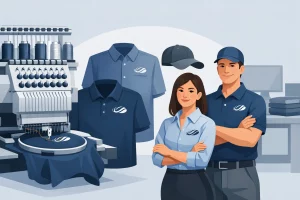
Embroidery creates a polished, dimensional look on polos, jackets, caps, bags, and professional uniform pieces. It is a popular choice for customer-facing teams, but logo size and stitch density matter. A highly detailed logo may need to be simplified for clean embroidery, especially on lightweight or stretchy garments.
Heat-applied decoration can be useful for names, numbers, special-event apparel, and some performance fabrics. The key is choosing a process built for the garment and its care requirements. A reliable uniform program considers the finished product as a whole, not just the blank apparel or logo in isolation.
How to Protect Workwear Quality Over Time
The order is only the beginning. Clear care guidance helps employees get more life from branded apparel. Garments with screen printing or heat-applied graphics generally last longer when washed inside out in cool water and dried on lower heat. Embroidered apparel should also avoid excessive high heat, which can affect fabric appearance and thread over time.
It is also wise to plan for reorders before the first order is placed. Keep approved artwork, thread colors, ink colors, garment styles, and logo placements documented. If a style is discontinued, having a clear record makes it easier to identify a comparable replacement without drifting away from the established look.
For organizations with multiple departments, create a simple apparel standard. It may define which logo version belongs on uniforms, which colors are approved, which garments are appropriate for customer-facing staff, and where names or job titles may appear. This keeps the brand consistent while still allowing different teams to wear what works for their roles.
A Better Way to Evaluate Samples
A product photo cannot show how a shirt feels after an eight-hour shift or how a jacket moves when someone reaches overhead. When the order is significant, request samples or review comparable garments in person. Check the fabric against the work environment, inspect the construction, and compare sizes across the people who will wear them.
It helps to involve a few employees in the evaluation. Their feedback can reveal issues that purchasing teams may not see, such as a sleeve that feels restrictive, a fabric that runs hot, or a pocket that is poorly placed for the role. This does not mean every preference can drive the order. It means the final selection should be informed by real use.
At Zepher Printing, we have seen the strongest uniform programs come from asking practical questions early: Who is wearing this? What does their day look like? How often will it be washed? Does it need to project polished professionalism, withstand demanding work, or do both? Those answers guide better decisions than a catalog page alone.
Quality workwear should make the workday easier and your organization easier to recognize. Choose apparel that people are comfortable wearing, decorate it with care, and build a reorder plan that protects the standard you worked to establish.