A shirt can look great on delivery day and still be the wrong choice for the job. When comparing screen printing versus heat transfer, the best method depends on how many pieces you need, how the apparel will be worn, the artwork itself, and whether every item needs to be identical. For a Kansas City business ordering employee uniforms, a school planning spirit wear, or a nonprofit preparing for a 5K, those details affect cost, durability, and turnaround.
Both methods can produce sharp, professional custom apparel. The right question is not which one is universally better. It is which one will work best for your specific order and continue representing your organization well after the event, season, or first wash.
Need Custom Printing or Promotional Products?
Zepher Printing helps Kansas City businesses, schools, teams, and organizations with custom apparel, screen printing, embroidery, promotional products, and branded merchandise.
Request a QuoteScreen Printing Versus Heat Transfer: The Core Difference
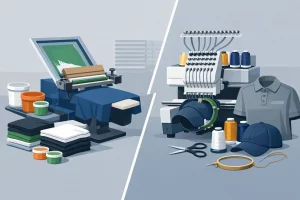
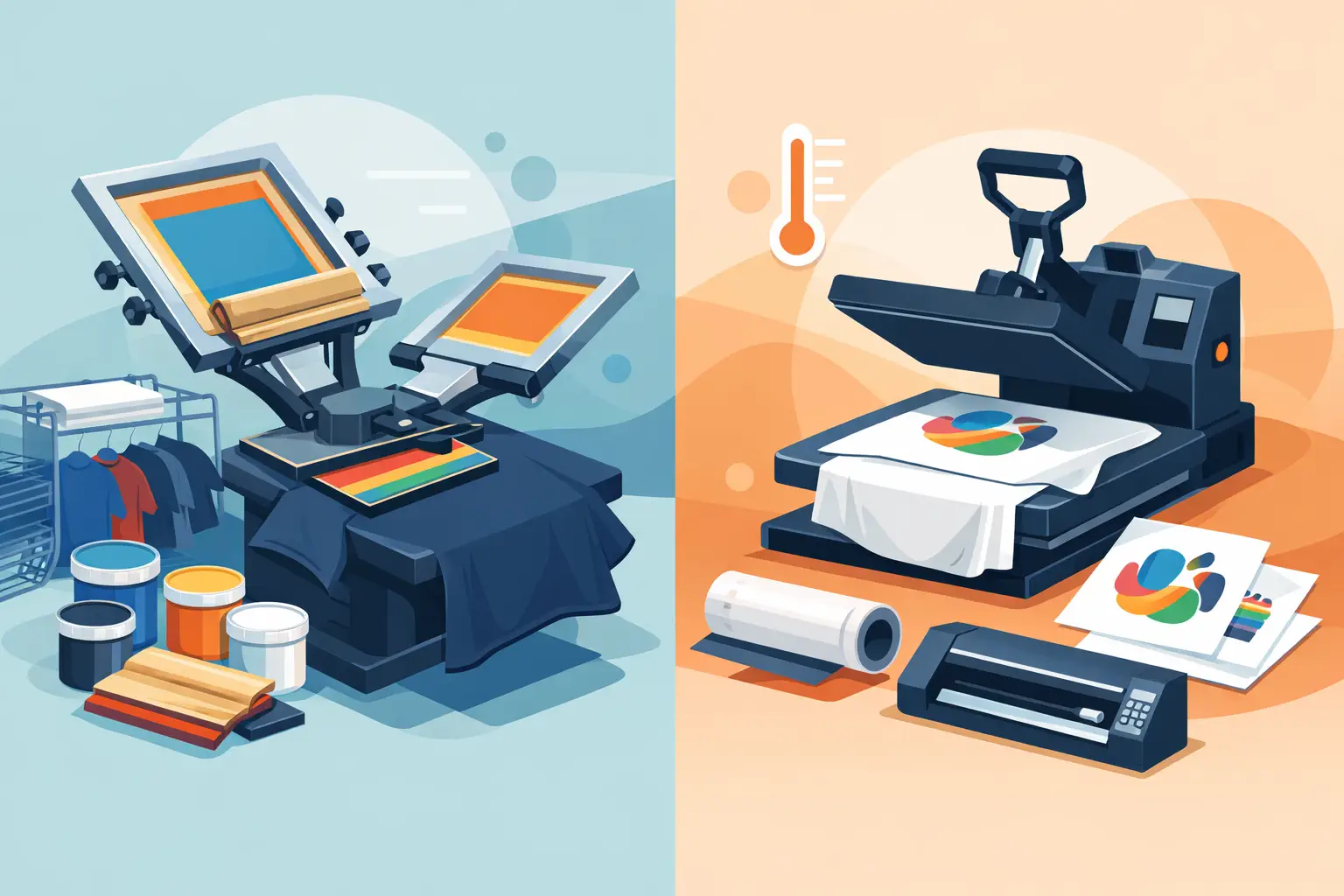
Screen printing applies ink directly to the garment through prepared screens, with each color generally requiring its own screen. The ink is cured so it bonds to the fabric. It has long been a trusted choice for large runs of shirts, uniforms, event apparel, and spirit wear.
Heat transfer starts with a design printed or cut onto a transfer material, then uses heat and pressure to apply it to the garment. Depending on the design and apparel, this can include full-color printed transfers, vinyl lettering, or specialty finishes. Heat transfer is especially useful when artwork is detailed, order quantities are small, or names and numbers change from item to item.
The finished appearance can be different. Screen-printed ink becomes part of the garment surface, while a heat transfer sits on top of the fabric. A quality transfer can still feel flexible and wear well, but the feel, stretch, and breathability should be considered before placing a large order.
When Screen Printing Is the Stronger Choice
Screen printing is often the practical choice for larger orders with the same design. A local company outfitting 75 employees in branded T-shirts, a Johnson County school ordering several hundred shirts for a fundraiser, or an athletic booster club selling a simple one- or two-color design can usually benefit from the efficiency of screen printing.
Best for repeatable designs and volume
Once screens are prepared, printing the same artwork across a larger quantity becomes efficient. This makes screen printing a strong fit for organization-wide apparel programs, annual events, staff uniforms, and promotional shirts where most or all garments carry the same logo or message.
Simple artwork is particularly effective. Bold logos, readable type, mascot graphics, and limited-color designs tend to produce clean, high-impact results. A one-color logo on the left chest with a larger design on the back is a familiar format because it is easy to recognize from a distance and built for repeat use.
Built for frequent wear
Properly printed and cured screen-printed apparel is known for durability. It is a dependable choice for work shirts, team apparel, and spirit wear that may go through regular laundering. Ink selection matters, especially for performance fabrics, dark garments, or garments that need a softer feel, but an experienced printer can recommend an approach that suits the material.
Screen printing also works across many garment styles, from cotton T-shirts and sweatshirts to select blends and performance options. The fabric and design need to be evaluated together. A design that looks excellent on a cotton tee may require a different ink or print process on a moisture-wicking polo.
Where screen printing has trade-offs
Screen setup means very small orders are not always the most economical use of screen printing. A two-shirt request with a four-color design may be better suited to heat transfer, particularly if each shirt needs a different name or number.
Highly detailed, photo-like art can also require more planning. It can absolutely be printed in many cases, but reproducing fine gradients, tiny text, and multiple colors through screen printing calls for thoughtful art preparation and the right garment color. If the artwork is complex and the order is limited, heat transfer may be more efficient.
When Heat Transfer Makes More Sense
Heat transfer is built for flexibility. It can be a smart choice for small orders, on-demand additions, personalized garments, and full-color graphics that would be complicated or costly to separate into multiple screen-printed colors.
Ideal for names, numbers, and short runs
Consider a youth sports program that needs 24 jerseys with a different last name and number on each one. Or picture an office ordering a dozen branded quarter-zips for new hires throughout the year. Heat transfer makes these variable details manageable without producing screens for every individual variation.
It is also useful when an organization needs a small number of items quickly. A last-minute volunteer crew, a small trade show team, or a handful of replacement uniforms may not need a large production run. Heat transfer gives those smaller projects a professional option without requiring the scale that screen printing typically rewards.
Strong for full-color and detailed artwork
Modern full-color transfers can reproduce detailed logos, gradients, and vivid artwork effectively. For designs with many colors, fine detail, or photographic elements, a transfer can simplify production while preserving the intended look.
This does not mean every full-color design should be a heat transfer. The garment’s use still matters. A large, dense transfer on the back of a shirt can feel warmer or less breathable than a comparable screen print, especially during summer events, outdoor work, or athletic activity. Placement and design size can make a meaningful difference.
Where heat transfer has trade-offs
The durability of heat transfer depends on the transfer type, garment, application, and care. Quality materials applied correctly can perform very well, but the decoration may eventually show signs of wear differently than ink. Following garment care instructions, including washing inside out and avoiding excessive heat, helps extend its life.
Feel is another consideration. Some transfers are lightweight and soft, while others have more noticeable texture. If your team wears the garment for long shifts or physical activity, request guidance on the most comfortable option for the fabric and decoration area.
Consider the Garment Before You Choose
The shirt, polo, hoodie, jersey, or jacket is part of the production decision, not just the item receiving the logo. Cotton, polyester, tri-blends, fleece, and performance materials react differently to ink and heat. Certain fabrics can be sensitive to dye migration or scorching, while stretchy fabrics need decoration methods that move appropriately with the garment.
A city department purchasing workwear may prioritize long-term durability and clear logo visibility. A high school volleyball program may need lightweight performance shirts with player names. A nonprofit may want a comfortable, budget-conscious T-shirt for an annual community event. These are different apparel needs, so they should not automatically receive the same decoration recommendation.
Garment color matters, too. Light ink on a dark shirt may require an underbase in screen printing. A full-color transfer may offer a simpler way to retain bright details on a dark garment. In either case, reviewing the artwork against the actual garment color before production prevents surprises.
A Practical Way to Decide
Start with the order quantity and how much variation you need. If you are ordering dozens or hundreds of identical shirts with a straightforward design, screen printing is often the natural fit. If you need a small run, individual names, changing numbers, or an intricate full-color graphic, heat transfer is often worth considering.
Next, think about how the apparel will be used. For shirts worn weekly by employees, coaches, or volunteers, durability and comfort should lead the conversation. For a one-day event or a short campaign, flexibility and speed may matter more. Neither priority is wrong, but choosing the process around the garment’s real job leads to better results.
Finally, share the complete picture before production begins: garment style, quantities by size, artwork, print locations, deadline, and any personalization. A reliable print partner can spot challenges early, recommend suitable options, and keep the order moving without unnecessary back-and-forth.
Plan for Reorders, Not Just the First Order
Many organizations focus only on the current order, then need ten more shirts three weeks later. If regular reorders are likely, it helps to establish a consistent garment, logo placement, ink colors, and decoration method from the start. This is especially useful for growing businesses, schools with recurring events, and teams that add players during the season.
At Zepher Printing, we have seen the best apparel programs begin with a clear use case rather than a one-size-fits-all process. A thoughtful choice between screen printing and heat transfer helps your team look consistent, keeps the order aligned with its purpose, and makes the next order easier to manage.
Before approving artwork, ask how the garment will be worn, washed, reordered, and remembered. That conversation usually points to the right method faster than choosing based on a single factor alone.