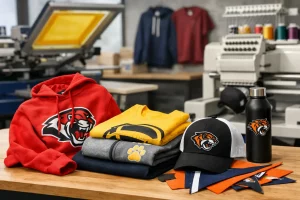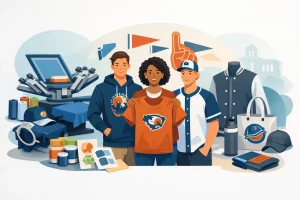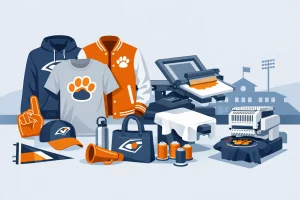
A spirit wear program should do more than put a mascot on a T-shirt. The best school spirit wear program examples make it easy for families to participate, give staff and students apparel they will actually wear, and create a consistent look from the first pep rally to the final playoff game. For schools across the Kansas City metro, that usually means building a flexible program rather than relying on one large apparel sale each year.
A successful approach considers who is buying, when they need apparel, how orders are collected, and which products fit the school community. A varsity football family, an elementary school grandparent, and a middle school teacher may all support the same school, but they may want very different items.
Need Custom Printing or Promotional Products?
Zepher Printing helps Kansas City businesses, schools, teams, and organizations with custom apparel, screen printing, embroidery, promotional products, and branded merchandise.
Request a QuoteWhat Makes a Spirit Wear Program Work?
Participation is the real measure of a spirit wear program. A great design has limited value if ordering feels confusing, sizes are difficult to find, or the product selection does not match the audience. Schools also need programs that respect staff time. Administrators, booster club volunteers, and coaches already have full schedules.
From two decades of working with schools and organizations, we have seen that the strongest programs usually share three traits. They offer a clear reason to buy, a manageable product selection, and a dependable ordering plan. They also leave room for seasonal moments, athletic milestones, and new families joining the school community.
It depends on the size and culture of the school, of course. A large Johnson County high school may support multiple activity-specific collections, while a smaller elementary school may get better results from one coordinated fall campaign and a spring refresh. The point is to create a plan people can understand quickly.
8 School Spirit Wear Program Examples to Consider
1. The Back-to-School Storefront
A back-to-school collection gives families a simple way to show school pride before the first day. It can include staple items such as short-sleeve tees, hoodies, crewnecks, caps, and a youth-size option. Keep the art familiar: the school name, mascot, colors, and a clean design that will still feel current next year.
This program works especially well when the order window opens during registration, enrollment events, or a back-to-school night. A short ordering period creates focus, while a clear delivery date lets families know when to expect their gear. Schools can also offer a few staff-friendly pieces, such as quarter-zips or polos, so the whole building starts the year with a unified look.
2. The Athletic Season Collection
Each sports season creates a natural reason to wear school colors. A football collection may lean into performance tees, stadium blankets, caps, and hoodies. Basketball and wrestling programs often do well with warm layers, while spring teams may favor lightweight tees, visors, and water bottles.
The practical challenge is avoiding a separate order process for every team. A shared athletic collection can feature the school identity first, with optional sport-specific designs for major programs. This approach supports student-athletes and fans without asking the activities office to manage an overly complicated catalog.
3. The Team and Booster Fundraiser
Spirit wear can support a defined goal when the message is clear. A band traveling to a competition, a dance team preparing for nationals, or a booster club raising money for equipment can offer a limited collection tied to that purpose. Include a concise campaign message on the order materials so buyers understand what their purchase supports.
Fundraiser apparel should not feel like an afterthought. Choose products people will want beyond the fundraiser, and make sure the design works on every garment color offered. A quality hoodie or soft-feel T-shirt can become a favorite piece of fan apparel while helping the group meet its goal.
4. The Staff Appreciation Collection
School spirit is not only for students and parents. Teachers, office staff, transportation teams, custodial crews, and support professionals help create the culture families value. A staff collection can include embroidered polos, quarter-zips, cardigans, jackets, or relaxed school-logo tees for casual Fridays.
This is also a useful option for districtwide events, professional development days, and welcoming new staff members. For schools with a more formal dress expectation, embroidery on polos and outerwear often provides a polished alternative to printed apparel. For a more casual campus, screen-printed tees can offer high visibility and broad participation.
5. The Class-Year and Graduation Program
Class-year apparel gives students a sense of ownership. Freshman, sophomore, junior, and senior designs can work well for high schools, while fifth-grade or eighth-grade shirts create meaningful keepsakes for students transitioning to a new school.
Graduation programs require early planning. Senior apparel, yard signs, banners, and event materials often need to align around a busy spring calendar. A coordinated design system helps the school create a recognizable look across apparel and printed materials without making every item identical.
6. The Elementary Family Spirit Pack
Elementary schools often benefit from simple, family-centered options. Rather than offering 20 garment choices, build a compact collection with youth tees, adult tees, a hoodie, and one practical accessory such as a tote bag or drawstring bag. Include a design that is cheerful, legible, and easy for younger students to recognize.
A family spirit pack can also be a helpful fit for school carnivals, fun runs, reading challenges, and parent-teacher organization events. The key is to keep sizing, ordering, and delivery straightforward. Busy families are more likely to purchase when the decision takes minutes, not multiple emails and forms.
7. The Event-Specific Pop-Up Shop
Some school moments deserve their own short-run collection. Homecoming, a rivalry game, a school anniversary, a theater production, or a community service event can generate excitement that standard spirit wear does not. Event-specific shirts create a shared experience and often become keepsakes after the event is over.
Timing matters more than variety here. Finalize artwork early, establish a firm order deadline, and select products that can be produced within the needed window. For schools planning a large event in Overland Park, Olathe, or elsewhere in the metro, working with a local print partner can make communication and delivery coordination much easier.
8. The Year-Round Core Collection
A year-round collection is the foundation that keeps school pride visible between campaigns. It should feature a small number of evergreen products with designs that are not tied to one sport, event, or graduating class. Think classic logo tees, hoodies, embroidered caps, and weather-appropriate outerwear.
This model is particularly valuable for new families, transfer students, and community supporters who missed the main fall sale. It also prevents every apparel request from becoming a new design project. Schools can refresh colors or add one new item each semester while preserving the core identity.
Choosing Products That People Will Wear
The right apparel mix balances school identity with everyday usefulness. T-shirts are accessible and popular for large groups, but hoodies and crewnecks often deliver longer-term wear. Embroidered outerwear can be a smart choice for staff, coaches, and booster leaders, while hats, bags, and blankets broaden the program for people who do not want another shirt.
Avoid trying to satisfy every preference in one sale. Too many colors, garment styles, and design variations can slow down decisions and complicate fulfillment. Start with a focused selection, then use feedback from buyers to decide what belongs in the next collection.
Design also deserves practical attention. Fine details may look sharp on a computer screen but become hard to read across a gymnasium or from the bleachers. A strong school mark, a clear mascot, and colors with enough contrast generally produce the best results. If multiple schools share a district, consistent logo use and approved color standards can prevent rework later.
Make Ordering Easy for Families and Staff
Even excellent apparel will underperform if the ordering process is difficult. Give buyers one clear deadline, size guidance, product photos or mockups, and a simple explanation of pickup or delivery. For group orders, identify one school contact who can answer internal questions while the print partner handles production details.
Online storefronts can be useful for programs with frequent orders or broad community participation. Traditional bulk order forms can still make sense for smaller schools, single-event campaigns, or groups that want to collect orders in person. The best choice depends on the volume of orders, the number of product options, and the capacity of the people managing the program.
Before launching, review the details that commonly create delays: approved artwork, mascot usage, garment colors, size ranges, tax-exempt documentation when applicable, order deadlines, and distribution plans. A few minutes of planning before the sale opens can save a volunteer hours of follow-up later.
Build a Program, Not Just a Sale
A single spirit wear sale can create a quick burst of school pride. A planned program keeps that energy going through changing seasons, activities, and student milestones. Start with one dependable core collection, then add campaigns that match the school calendar and community interests.
The most effective spirit wear feels easy to buy, comfortable to wear, and genuinely connected to the people behind the school colors. When those details are handled well, every T-shirt, hoodie, and embroidered jacket becomes a small but visible reminder that the school community is on the same team.