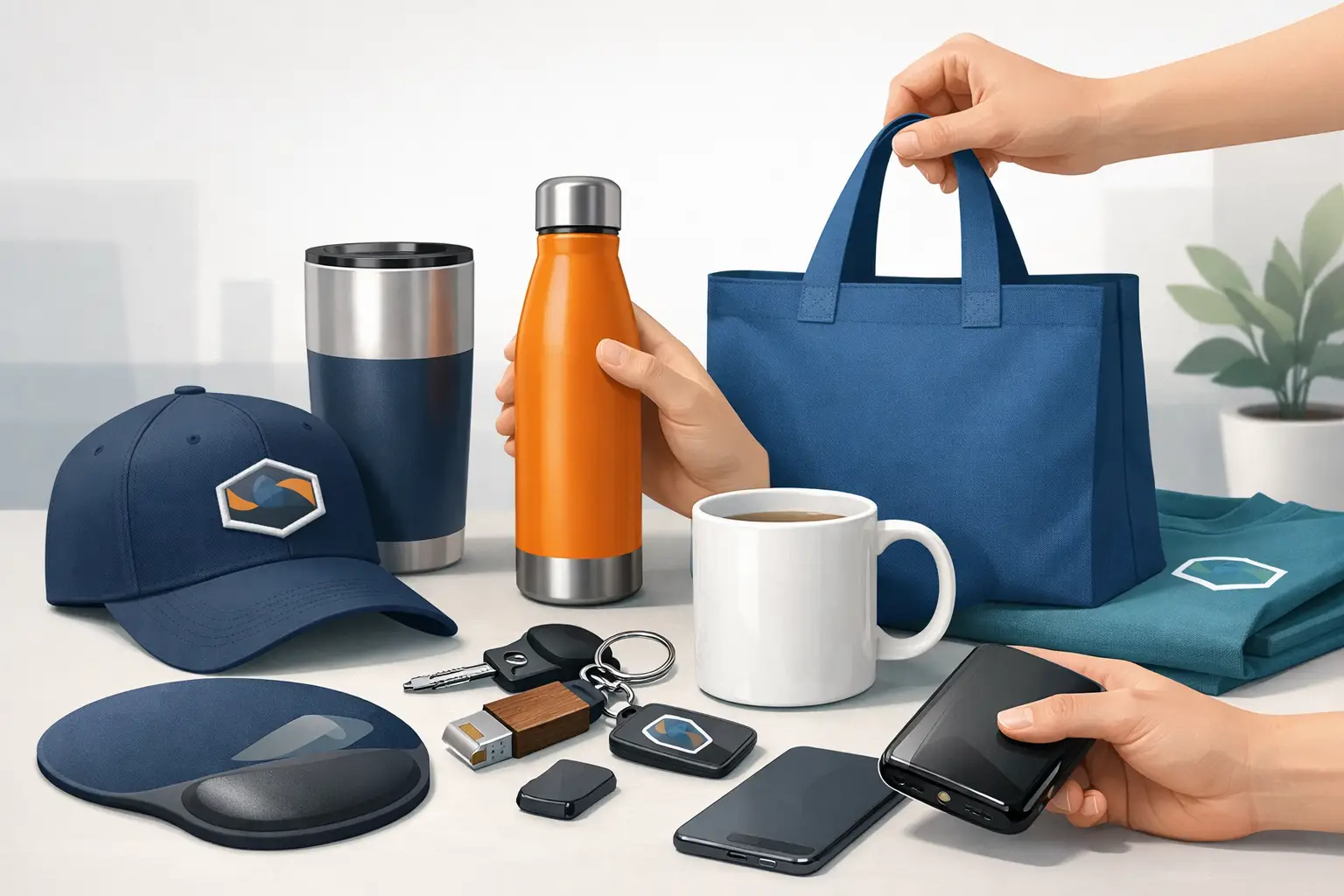
A branded pen that disappears into a desk drawer is not a failed idea because it was inexpensive. It failed because it had no useful role in the recipient’s day. The best promotional products earn a place in someone’s routine, whether that means a water bottle at practice, a tote bag at the grocery store, a notebook in a client meeting, or a jacket employees are proud to wear.
For Kansas City businesses, schools, nonprofits, and community organizations, branded merchandise works best when it solves a real need while making the organization easy to remember. The goal is not simply to put a logo on an item. It is to choose something appropriate for the audience, event, season, and message, then make sure the design and product quality support the impression you want to make.
Need Custom Printing or Promotional Products?
Zepher Printing helps Kansas City businesses, schools, teams, and organizations with custom apparel, screen printing, embroidery, promotional products, and branded merchandise.
Request a QuoteStart With the Moment, Not the Merchandise
The fastest way to waste a promotional budget is to begin with a catalog search. With hundreds of thousands of available items, almost any product can be branded. That does not make every product a good fit.
Start by asking what moment the item needs to support. A recruiting event has different needs than a customer thank-you campaign. A school fundraiser is different from a municipal open house. A construction company welcoming new field employees needs a different solution than a nonprofit preparing for a 5K.
For example, a Johnson County employer building onboarding kits may benefit from a practical combination of a quality shirt, notebook, drinkware, and name badge. Those items create a polished first-day experience and can be used immediately. A youth sports program, on the other hand, may get more value from spirit wear, rally towels, stadium cups, and team bags that create visibility throughout a season.
The product should fit the occasion before it fits the budget. That simple order of operations leads to better choices and fewer unused leftovers.
What Makes Promotional Products Worth Keeping?
Useful items tend to last longer, but usefulness is only one part of the decision. Recipients also notice quality, relevance, and how comfortably the item carries the brand. A well-made item with a restrained, readable design often creates more goodwill than a larger quantity of low-value giveaways.
Consider a few practical questions. Will the recipient use this at work, at home, in a car, at school, or at an event? Is it something they already carry or need? Does the product feel appropriate for your organization? And will your logo still look good after repeated use?
Drinkware remains popular because it is visible and frequently used, but material, lid style, insulation, and imprint area all matter. A tote bag can provide long-term exposure, but only if it is sturdy enough to carry and has a design people do not mind displaying. Custom apparel can be especially effective because it turns employees, volunteers, and supporters into a consistent visual presence, yet sizing, decoration method, and garment quality need more planning than a one-size giveaway.
The strongest choice is rarely universal. It depends on who receives it and what you want the item to accomplish.
Match the product to the audience
A customer appreciation gift should feel more considered than a trade show handout. A coach ordering for a team needs durability and size consistency. An office manager preparing for a company event may prioritize easy distribution and a clear event identity. Nonprofit directors often need items that encourage donors, volunteers, and attendees to carry the mission beyond the event itself.
Think about audience expectations as well. A premium insulated tumbler may be appropriate for a small group of key clients or a milestone employee recognition program. For a large public event in Overland Park or Kansas City, a budget-conscious item with broad usefulness may be the smarter choice. Both can work. The mistake is applying the same product tier to every audience.
Consider how long the message needs to live
Some promotional items are meant to create a quick event-day impression. Others should support months or years of visibility. Temporary items can still be effective when they reinforce an event theme, direct attendees to a booth, or create a shared experience. Long-term items need more careful design because the brand will stay in view after the event ends.
For evergreen merchandise, avoid dates, overly specific campaign language, and visual clutter unless the item is clearly tied to a one-time event. A clean organization name, logo, and short message will generally have a longer shelf life.
Build a Product Mix for the Job
One item does not need to do everything. Organizations often get better results by creating a simple product mix with different roles. A recruiting fair might include an attention-getting giveaway for visitors, a more useful item for qualified candidates, and branded materials for the staff running the table.
For an employee appreciation event, the mix may be custom apparel, a useful personal item, and printed recognition materials. For school spirit initiatives, apparel can lead the effort while decals, bags, cups, and banners reinforce the identity around campus and at games.
When developing a mix, assign a purpose to each piece:
- A high-volume item creates broad awareness at events, open houses, or community activities.
- A practical item encourages repeated use and longer brand exposure.
- A premium item recognizes a meaningful relationship, achievement, or milestone.
- A coordinated printed or signage piece ties the merchandise to the larger campaign.
This approach keeps a campaign from relying on one item to reach every goal. It also helps control spending by reserving higher-cost products for the audiences most likely to value them.
Design for Real Life, Not Just a Proof
A digital proof can make nearly any logo look large and clear. Real products have curves, seams, small imprint areas, fabric texture, and color limitations. What works on a banner may not work on a pen, cap, or small embroidery location.
Keep the imprint focused. If a logo includes fine detail, a simplified mark or organization name may reproduce better on smaller items. If your brand uses several colors, consider whether a one-color imprint will still be recognizable. On apparel, decoration method matters: screen printing is often a strong choice for bold designs and larger quantities, while embroidery can add a polished, durable look to polos, jackets, hats, and uniforms.
Color selection deserves attention, particularly for schools, athletic programs, and organizations with established brand standards. The product color should support the logo rather than compete with it. High contrast improves readability, while tone-on-tone decoration can create a more understated premium look when the mark is simple enough.
Ask to see the product details before committing. Dimensions, material, decoration area, and available colors influence whether the finished item will feel intentional or improvised.
Plan Earlier Than You Think You Need To
Promotional product timing involves more than production. You may need to approve artwork, choose colors, confirm garment sizes, gather addresses, prepare kits, or coordinate delivery with an event date. Seasonal demand can also affect availability, especially for apparel, holiday gifts, graduation items, and back-to-school programs.
Ordering early gives you better choices. It allows room to select the product that fits instead of settling for what is immediately available. It also creates time to review samples or proofs, catch design issues, and coordinate promotional items with custom apparel, business printing, banners, or event signage.
That coordination matters. A recruiting campaign feels more organized when the tablecloth, handouts, staff shirts, and take-home items share a visual language. A fundraiser looks more credible when signage, participant apparel, and donor gifts feel like parts of one effort rather than separate purchases.
Work With a Partner Who Asks Better Questions
The right supplier should do more than take an item number and add a logo. They should ask about your audience, quantity, timing, budget range, brand standards, and distribution plan. Those questions are how better recommendations happen.
For more than two decades, Zepher Printing has helped Kansas City-area organizations bring apparel, printing, signage, and branded merchandise together under one roof. That can simplify purchasing, but the larger benefit is consistency. When the same team understands your logo, colors, event calendar, and past orders, it becomes easier to make confident decisions quickly.
A good promotional product does not need to be flashy. It needs to be useful, appropriate, well-branded, and ready when your organization needs it. Choose items people will carry into their workdays, teams, homes, and communities, and your message has a better chance of staying with them.