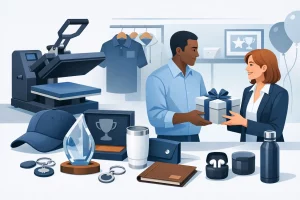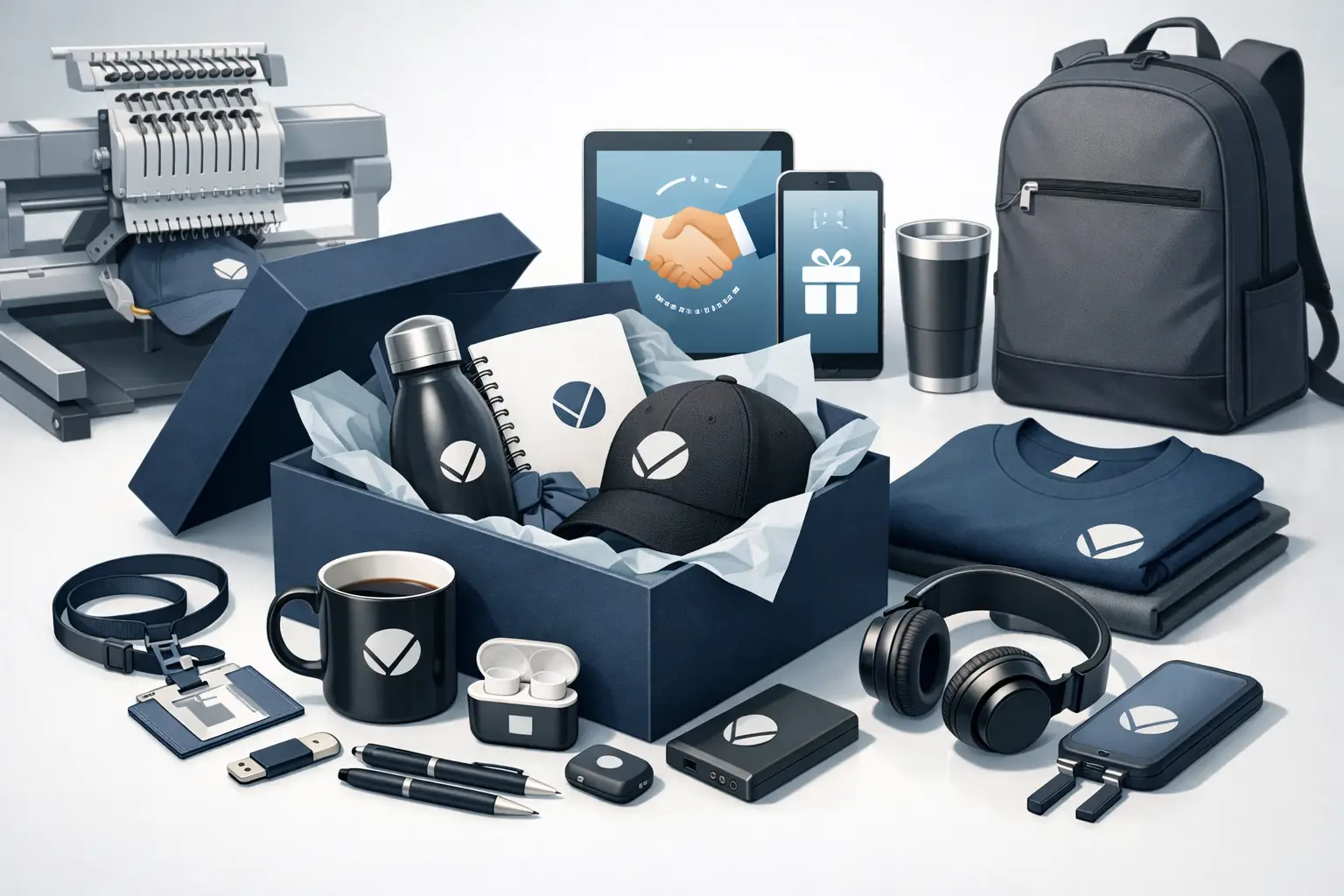
A new hire can tell a lot about an organization in the first ten minutes. If their desk is bare, their paperwork is scattered, and no one seems sure what they need, that first impression sticks. Strong branded onboarding kit ideas help fix that. They give employees something practical to use, something thoughtful to remember, and a clear signal that your organization is prepared.
For companies, schools, nonprofits, and public organizations across the Kansas City area, onboarding kits are doing more than filling a box with logo items. The best ones support recruiting, reinforce culture, and make day one feel organized instead of rushed. The trick is choosing items that are actually useful and aligning them with how your team works.
Need Custom Printing or Promotional Products?
Zepher Printing helps Kansas City businesses, schools, teams, and organizations with custom apparel, screen printing, embroidery, promotional products, and branded merchandise.
Request a QuoteWhy branded onboarding kit ideas matter
A good onboarding kit sits at the intersection of branding and operations. It welcomes people, but it also reduces friction. New employees should not have to ask for basic tools, guess at dress expectations, or hunt down information that could have been packaged clearly from the start.
This is where many organizations get stuck. They either keep it too minimal and hand over a pen and a folder, or they go too far and load up a package with novelty items that never leave a drawer. The middle ground is usually best. You want a kit that feels polished, useful, and consistent with your brand without becoming wasteful.
That balance matters whether you are onboarding office staff in Overland Park, seasonal event workers in Kansas City, school employees in Johnson County, or nonprofit team members spread across the metro. Different roles need different items, but the goal stays the same – make people feel ready.
11 branded onboarding kit ideas worth considering
1. Start with a branded welcome packet
Printed materials still matter, especially on day one. A well-designed welcome folder or packet can include a welcome letter, contact sheet, first-week schedule, benefits reminders, facility map, parking details, and brand guidelines if the role calls for them.
This piece does not need to be elaborate. It needs to be clear. For organizations with multiple departments or locations, a printed packet can cut down on confusion and save managers time answering the same questions.
2. Include apparel people will actually wear
Few items make a stronger first impression than quality branded apparel. A soft T-shirt, quarter-zip, polo, or cap can help new hires feel like part of the team right away. The key is matching the item to the role.
A polo may make sense for front-facing staff, while a T-shirt or performance shirt works better for warehouse teams, athletic programs, event crews, or parks and recreation employees. The wrong apparel item feels forced. The right one gets worn long after onboarding is over.
3. Add a notebook and pen that feel intentional
This is a classic for a reason. New hires take notes constantly in the first few weeks, and a branded notebook paired with a dependable pen is practical across nearly every industry.
That said, quality matters. A flimsy notebook and cheap pen can make the whole kit feel like an afterthought. A better choice is a clean, professional notebook design with a pen that writes well and looks consistent with your brand.
4. Give them a drinkware item they will keep
Drinkware often earns a spot in onboarding kits because it has real staying power. A branded tumbler, insulated bottle, or ceramic mug can become part of someone’s daily routine.
This is one area where audience matters. Office teams may prefer a coffee mug or stainless tumbler, while field staff and coaches may get more value from an insulated water bottle. When the item fits the workday, your brand stays visible without trying too hard.
5. Pack tech accessories for modern work
For many teams, tech accessories are more useful than desk trinkets. A phone stand, charging cable, webcam cover, mouse pad, or branded laptop sleeve can make remote and hybrid employees feel equipped from the start.
These items are especially effective when your onboarding process includes travel between offices, work from home time, or a mix of mobile and desk-based tasks. The best choice depends on the role. A universal charging accessory might get used every day, while a niche gadget may not justify the cost.
6. Use a bag to bring the kit together
Presentation changes how the kit is perceived. Instead of handing over individual items, consider using a branded tote bag, backpack, or zipper pouch to package everything together.
This does two things. First, it makes the onboarding moment feel more complete. Second, it gives employees something functional they can reuse for work, events, training materials, or everyday commuting. A bag often ends up being one of the highest-visibility items in the whole package.
7. Include an ID badge holder or lanyard
For schools, municipalities, healthcare-related offices, event teams, and larger workplaces, badge holders and lanyards are a simple but smart addition. They support security and daily operations while also reinforcing the brand.
This item may not feel exciting, but that is fine. Not every piece in an onboarding kit needs to be memorable on its own. Some of the best items earn their place because they get used all day, every day.
8. Add a desk item with a clear purpose
Desk accessories work best when they solve a small but common problem. Think sticky notes, a mouse pad, a desk organizer, or a calendar pad. These are not flashy, but they can help new employees settle in faster.
The caution here is clutter. If the desk item does not serve a clear purpose, it becomes one more thing taking up space. Branded onboarding kit ideas work better when every item has a reason to be there.
9. Include a team or culture piece
Not every item needs to be purely functional. A culture-focused addition can help make the kit more personal. That might be a values card, a mission statement print, a local snack, a team photo card, or a short note from leadership.
This is where organizations can show personality without overdoing it. A school district might include a spirit item. A nonprofit might add a card explaining the impact of its work. A local business might include a message that ties the employee’s role to the customer experience. Done well, this makes the brand feel human.
10. Build role-specific versions of the kit
One of the most useful branded onboarding kit ideas is not a single product at all. It is creating different kit versions for different teams. A one-size-fits-all package often leads to wasted items and missed opportunities.
An office administrator, a coach, a city employee, and a field service technician do not need the same things. Core branding can stay consistent, but the contents should reflect the job. That keeps the kit practical and makes purchasing more efficient over time.
11. Think beyond employees
Onboarding kits are not limited to new hires. The same concept can work for volunteers, board members, interns, seasonal staff, and student workers. In many organizations, these groups represent your brand just as visibly as full-time employees do.
For nonprofits and community organizations in particular, a scaled-down onboarding kit can help volunteers feel prepared and appreciated. It also creates a more organized experience for coordinators who are managing large groups during events, campaigns, or seasonal programs.
How to choose the right branded onboarding kit ideas
The best kit starts with three questions: what does this person need on day one, what will they still use in a month, and what reflects our brand in a practical way?
That last part is important. Branding should not just mean placing a logo on every surface. It should mean choosing items that reflect how your organization presents itself. If your brand is polished and professional, your materials should feel consistent with that. If your culture is more casual and community-focused, the kit can reflect that too.
Budget matters, of course, but total value matters more. A smaller kit with better items usually performs better than a large kit filled with low-use products. We have seen organizations get stronger results by narrowing the selection and improving quality rather than adding more pieces.
Timing also matters. If you hire year-round, it helps to standardize a core kit and keep inventory ready. If your hiring is seasonal or event-based, flexibility may be more important than stocking the same package in bulk. Fast turnaround is helpful, but planning ahead gives you more product options and better consistency.
Common mistakes to avoid
The most common mistake is choosing items based only on what looks good in a catalog. Good onboarding kits are built around real use. If the item does not fit the employee’s day, the brand exposure disappears with it.
Another issue is poor packaging or inconsistent branding. If the shirt uses one logo treatment, the folder uses another, and the printed materials feel disconnected, the kit looks pieced together. A coordinated package feels more professional even when the item count is modest.
It is also easy to overlook sizing, job function, and distribution logistics. Apparel requires planning. Remote teams may need kits shipped. Multi-location organizations need a repeatable process. These details shape whether the program feels organized or improvised.
Make the first impression count
The strongest onboarding kits are not the most expensive ones. They are the ones built with intention. When the contents are useful, the branding is consistent, and the experience feels organized, new employees notice. So do volunteers, staff leaders, and hiring teams.
For organizations that want to move fast, local coordination helps. A trusted partner like Zepher Printing can help simplify the mix of apparel, print, and promotional products so your onboarding kits feel consistent from the first folder to the final packed box. If you are building or refreshing your program, start with what people truly need, then brand it well and keep it simple.