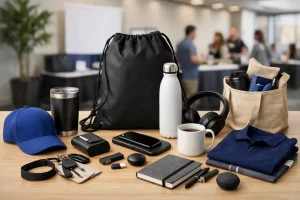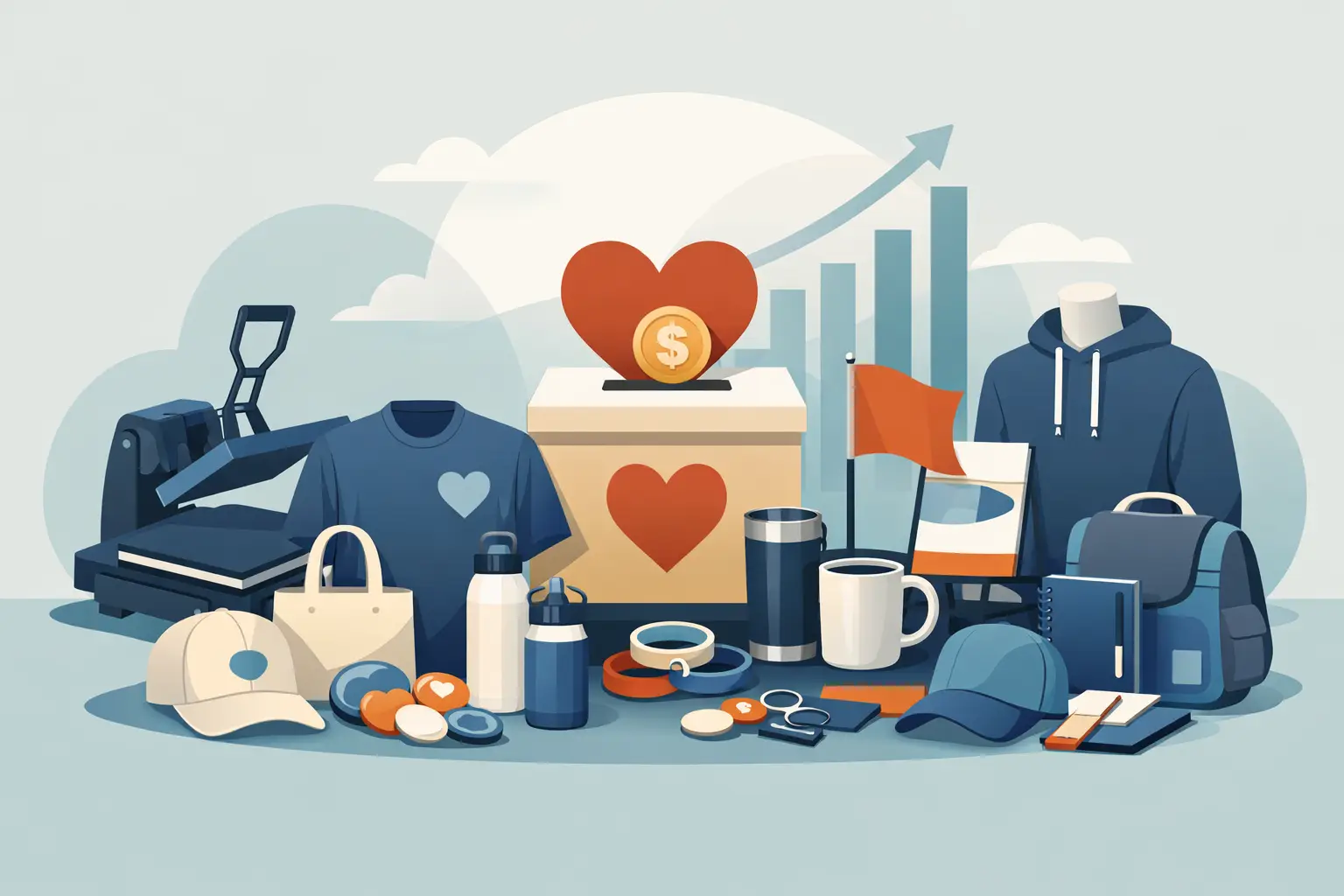
A charity run ends, the volunteers pack up, and a stack of leftover event shirts sits in a storage closet for months. That is the fundraising merchandise mistake nonprofits want to avoid. The best nonprofit fundraising merchandise ideas do more than display a logo: they give supporters something useful, create a visible connection to your mission, and leave enough room in the budget for the cause itself.
For a school foundation, animal rescue, youth sports program, or community nonprofit, the right item depends on who will receive it and when. A low-cost giveaway may be ideal for a large awareness event. A higher-quality piece can be a better fit for a donor thank-you campaign. Start with the purpose, then choose merchandise that supports it.
Need Custom Printing or Promotional Products?
Zepher Printing helps Kansas City businesses, schools, teams, and organizations with custom apparel, screen printing, embroidery, promotional products, and branded merchandise.
Request a QuoteWhat Makes Fundraising Merchandise Work?
The strongest fundraising merchandise has a clear role. It can encourage event registration, reward donors, give volunteers a unified look, or create an item supporters are proud to purchase. Trying to make one product do all four jobs can lead to compromises in quality, price, or audience appeal.
Before selecting an item, answer three practical questions: Who is it for? How will they receive it? What action should it encourage? A $2 giveaway handed out at a neighborhood festival calls for a different choice than a $30 supporter item sold through a year-long campaign.
Design matters just as much as the product. A simple, well-printed mark, a campaign message people understand at a glance, and colors that remain readable on the item will generally outperform a crowded layout. Include a year, event name, or concise mission phrase when it adds meaning, but avoid turning every shirt or tote into a full brochure.
12 Best Nonprofit Fundraising Merchandise Ideas
1. Event T-Shirts
Custom event shirts remain one of the most reliable choices for walks, runs, golf tournaments, volunteer days, and community festivals. Participants like having a wearable reminder of the experience, and sponsors may value a tasteful logo placement when that support helps offset costs.
The trade-off is sizing and inventory. Collect sizes during registration whenever possible, and order a modest range of extras rather than guessing heavily in every size. For annual events, a fresh color and updated year can encourage repeat participants to buy or register again.
2. Premium Hoodies and Crewnecks
For cooler-weather fundraisers, school booster organizations, and loyal supporter programs, a hoodie or crewneck often feels more valuable than a standard shirt. It is especially effective when supporters buy the item directly and expect something they will wear beyond the event weekend.
Use a clean design that is not too event-specific. A shirt reading “2026 Gala Volunteer” may have a short lifespan, while a soft crewneck featuring the organization’s name and mission can stay in rotation for years.
3. Tote Bags
Tote bags work well for galas, donor welcome packages, library and arts organizations, food drives, and community outreach. They are practical, easy to carry, and offer plenty of room for a clear imprint.
Choose the material based on expected use. A lightweight tote suits handouts and information packets. A heavier reusable bag makes more sense as a purchased supporter item or a higher-level donor gift. It depends on whether the priority is reach or perceived value.
4. Water Bottles and Tumblers
A reusable bottle or insulated tumbler is a strong choice for active events, volunteer teams, staff appreciation, and donor recognition. These products get used in offices, cars, gyms, and schools, extending your organization’s visibility long after the original campaign.
Because drinkware is more personal than a pen, quality matters. Consider how it feels in the hand, whether it fits a cup holder, and how the imprint will hold up. For a limited donor gift, a durable tumbler may be worth the higher unit cost. For a large race giveaway, a simpler bottle could be the smarter fit.
5. Caps and Beanies
Headwear is practical fundraising merchandise because it avoids the detailed sizing challenges of apparel. Embroidered caps can be a polished option for golf events, outdoor programs, and donor merchandise. Beanies are a natural fit for fall and winter campaigns.
Keep the artwork simple. Small embroidered details can lose clarity, so a clean logo, short name, or recognizable symbol usually delivers the best result.
6. Stickers, Decals, and Magnets
Small-format items are effective when a nonprofit needs an accessible add-on item, a thank-you inclusion, or a way to build awareness at scale. Stickers and decals can be especially popular with students, families, and younger supporters. Magnets are useful for service organizations that want to keep a phone number or mission visible in homes.
These items rarely carry a fundraiser on their own, but they pair well with larger purchases, donation packages, and event registration. Their low cost also makes them a practical choice for volunteer recruitment tables.
7. Pins and Patches
Pins and patches create a collectible feel. They work particularly well for cause awareness campaigns, member organizations, school programs, museum supporters, and recurring fundraising events. A well-designed pin can feel more special than its size suggests.
Use them when the design has a story behind it: an anniversary, campaign milestone, mascot, or symbol connected to the mission. They are less effective when used as a generic giveaway with no reason for someone to keep collecting them.
8. Branded Notebooks and Pens
For board meetings, training sessions, educational nonprofits, and professional donor events, notebooks and quality pens remain useful. They are also easy to bundle into volunteer or sponsor packets.
A notebook should earn its place through usability. Select a practical size and a design that feels appropriate in a meeting room or classroom. Pens should write well – a giveaway that fails on first use does not reflect the care your organization puts into its work.
9. Tech Accessories
Phone stands, charging cords, webcam covers, and pop-style grips can appeal to supporters who prefer small, current, useful items. They are well suited to conference tables, youth-focused programs, and appreciation mailers.
Compatibility and quality should guide the choice. A universal item with a straightforward purpose is safer than a novelty tech product that may not work across devices. Request samples when the product will represent a major campaign or donor level.
10. Volunteer and Staff Apparel
Not every fundraising item needs to be sold. Matching volunteer shirts, polos, jackets, or safety vests can improve event recognition and help attendees quickly find the people who can assist them. That better experience can support future donations and participation.
For Kansas City-area events spread across parks, schools, and community venues, a consistent volunteer look also helps with wayfinding and creates more polished event photos. Build the design around visibility first, then add sponsor recognition where appropriate.
11. Seasonal Gift Items
Holiday ornaments, picnic blankets, umbrellas, scarves, and other seasonal products can give a campaign a timely reason to buy. These are most effective when they connect naturally to your event calendar or audience.
Seasonality creates urgency, but it also limits the selling window. Plan early, especially for holiday merchandise, and avoid ordering too deeply unless you have proven demand from prior years or preorders.
12. Mission-Based Merchandise Bundles
A bundle can make a supporter feel they are joining something rather than just buying an item. For example, a run registration package might include a shirt, water bottle, and sticker. A donor thank-you kit could pair a notebook with a quality pen and a branded tote.
Bundles work best when every item serves a purpose. Adding products solely to make the package look bigger can increase cost without increasing value. Offer tiers when appropriate, such as a basic event package and a premium supporter package, so people can choose their level of involvement.
How to Choose the Right Mix for Your Campaign
Start with your fundraising model. If you are selling merchandise, calculate the total delivered cost before setting a suggested donation or sale price. Include decoration, packaging, event handling, and expected extras. If merchandise is included with registration or a gift level, define the value it adds to that experience rather than treating it as an afterthought.
Then consider lead time. Custom apparel, embroidery, signs, printed materials, and promotional products all require planning, especially when multiple pieces must arrive together. Finalize artwork, quantities, and delivery needs early enough to review a proof and avoid rushed substitutions. A local partner can be particularly helpful when an event plan changes late, but the best protection is a clear schedule from the beginning.
Finally, keep the brand consistent. The same logo, colors, and message should carry across event shirts, sponsor signs, donation cards, banners, and volunteer gear. When supporters see a coordinated campaign, the organization feels established and trustworthy. Zepher Printing helps Kansas City nonprofits bring those pieces together through apparel, print, signage, and promotional products from one local source.
The best item is not necessarily the trendiest or the least expensive. It is the one your supporters will use, appreciate, and associate with the work they helped make possible.